



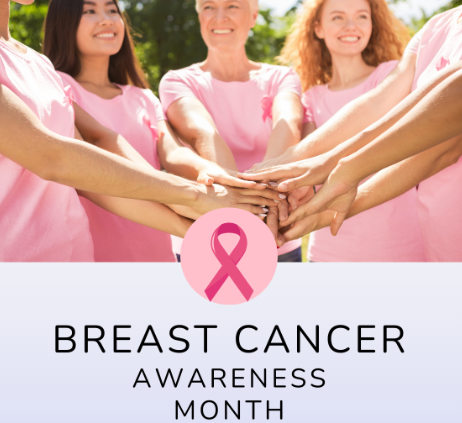
Reviewed by: Dr. Mulinge, Oncology / Women’s Health
Reading time: 3 minutes
Breast cancer is one of the most common cancers affecting women worldwide — but it’s also one of the most treatable when caught early. The difference between an early diagnosis and a late one can be life-changing. That’s why awareness matters: knowing the signs, understanding your risk, and taking simple steps toward early detection can save your life or the life of someone you love.
Why Early Detection Matters
When breast cancer is found in its early stages — before it has spread beyond the breast — the five-year survival rate is significantly higher. Early detection means more treatment options, less invasive procedures, and better outcomes. The goal of awareness campaigns is not fear; it’s empowerment. Knowing your body and acting on changes gives you the best possible chance.
Know the Signs and Symptoms
While many breast cancers are first detected through screening, it’s equally important to recognize the warning signs. Look out for:
-
A lump or thickening in the breast or underarm that feels different from the surrounding tissue
-
Changes in breast size, shape, or appearance
-
Skin changes such as dimpling, puckering, redness, or warmth
-
Nipple changes, including inversion, discharge (especially bloody or clear), or crusting
-
Persistent pain in one area of the breast or armpit
Not every lump is cancer, and most breast changes are benign. But any persistent change deserves a doctor’s evaluation. Don’t wait to “see if it goes away.”
The Power of Self-Awareness
Breast self-awareness means knowing how your breasts normally look and feel, so you can notice changes quickly. There’s no single “correct” way to check — some women do it in the shower, others in front of a mirror. The key is consistency. If something feels different, note it and speak to a healthcare provider. Self-exams are not a replacement for clinical screening, but they help you become your own best advocate.
Screening: Mammograms and Clinical Exams
Mammograms remain the gold standard for early breast cancer detection. They can find tumors years before they can be felt. Guidelines vary by age and risk factors, but many organizations recommend starting regular mammograms around age 40–50, with earlier screening for women with a family history or genetic risk. Clinical breast exams by a healthcare professional are also valuable, particularly for women under 40.
Talk to your doctor about your personal risk factors — family history, genetics (such as BRCA mutations), hormone exposure, lifestyle, and age — to determine the right screening schedule for you.
Risk Factors You Should Know
While anyone can develop breast cancer, certain factors increase risk:
-
Being female (though men can also develop breast cancer)
-
Increasing age
-
Family history of breast or ovarian cancer
-
Inherited gene mutations (BRCA1, BRCA2)
-
Early menstruation or late menopause
-
Hormone therapy use
-
Lifestyle factors such as alcohol consumption, obesity, and physical inactivity
Knowing your risk doesn’t mean living in fear — it means taking informed, proactive steps.
What You Can Do Today
-
Perform regular breast self-checks and know your normal
-
Schedule your mammogram if you’re due
-
Maintain a healthy weight, limit alcohol, and stay physically active
-
Talk to your doctor about your family history and screening options
-
Encourage the women in your life to do the same
Breast cancer awareness isn’t just about October — it’s about everyday action. Early detection saves lives, and it starts with you.
Book a screening or consultation with our women’s health team today.
Disclaimer: This article is for informational purposes only and does not replace professional medical advice. Always consult a qualified healthcare provider about your specific health concerns and screening schedule.
Leave a Reply